








Key takeaways
- The National Retail Federation expects 182.7 million people to shop over Thanksgiving weekend (Nov. 26–30), down from 186.9 million last year, partly because 60% of shoppers started by early November.
- Black Friday is still the big day: about 126 million people plan to shop on Friday, Nov. 27, and 66.1 million on Cyber Monday, Nov. 30.
- Online spending keeps growing anyway. Adobe forecasts $12.9 billion in online sales on Black Friday (up 9.2%) and $15.1 billion on Cyber Monday, which would be a new one-day record.
- Budgets are tighter: 82% of holiday shoppers say they’re taking steps to control costs, like buying cheaper gifts or shopping for fewer people.
- Buy now, pay later is on track for a record $21.3 billion this season. Handy if you plan for it, risky if you stack several plans at once.
- It’s a busy week for your money beyond shopping: consumer confidence comes out Tuesday, a key inflation report Wednesday, and the stock market is closed Thursday.
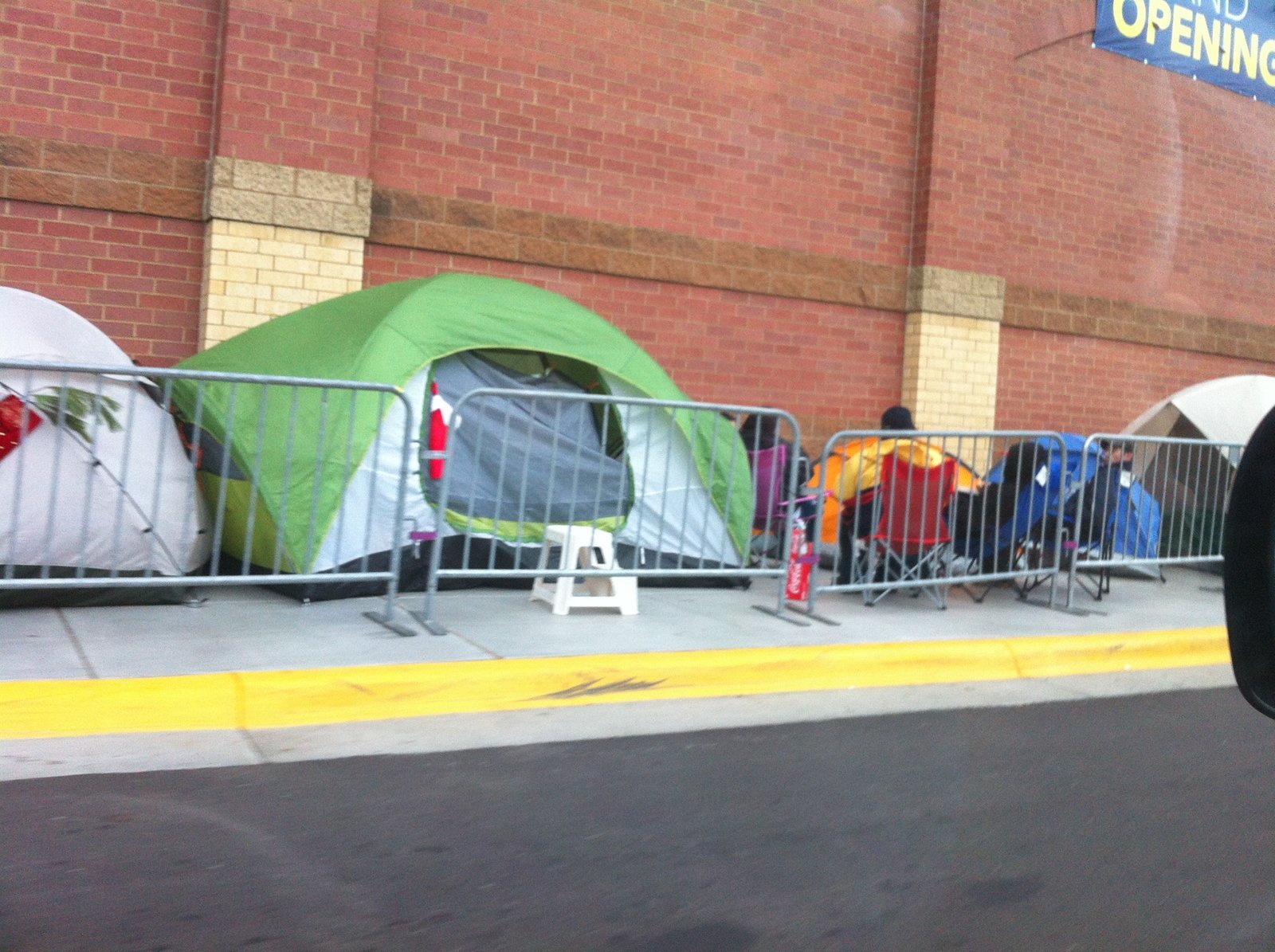
Image: Myotus / Wikimedia Commons (CC BY 4.0)
Black Friday is five days away, and the forecasts are in. The short version: a few million fewer people say they’ll shop over Thanksgiving weekend this year, but the ones who do are expected to spend more online than ever. Shoppers are also more careful with their budgets, and more of them are leaning on buy now, pay later.
Here’s what the numbers from the National Retail Federation, Adobe and Bain say, and what they mean if you’re shopping this week.
Fewer Thanksgiving weekend shoppers, but not because people stopped shopping
The National Retail Federation’s annual survey, released Thursday, Nov. 19, estimates that 182.7 million consumers plan to shop during the five days from Thanksgiving through Cyber Monday. That’s down from 186.9 million last year, a dip of roughly 2%, as Chain Store Age and eMarketer both pointed out.
That doesn’t mean people are skipping the holidays. It means they started earlier. In the same survey, 60% of shoppers said they had begun their holiday shopping by the start of November, compared with 56% before the pandemic. Big retailers have been running “Black Friday” sales for weeks, and eMarketer points to Amazon, Walmart and Target pulling deals earlier in the season as a reason for the smaller weekend crowd.
Here’s how the weekend breaks down, according to the NRF:
- Black Friday (Nov. 27): about 126 million shoppers, or 69% of people planning to shop that weekend. Of those, 67% expect to shop in stores and 89% online, so plenty of people will do both.
- Cyber Monday (Nov. 30): about 66.1 million shoppers, or 36%.
- Why they shop: 48% say the deals are too good to pass up, and 26% say it’s tradition.
Online spending is expected to hit new records
While the in-person crowd may shrink a bit, money spent online is still climbing. Adobe, which tracks sales on major U.S. retail websites, published its holiday forecast in September, and Reuters and PPC Land both reported the same figures. Adobe expects:
- $275.1 billion in U.S. online sales from Nov. 1 to Dec. 31, up 6.7% from last year.
- $47.5 billion over Cyber Week, the five days from Thanksgiving to Cyber Monday.
- $15.1 billion on Cyber Monday, the biggest online shopping day of the year.
- $12.9 billion on Black Friday, up 9.2%, growing faster than Cyber Monday.
- $6.9 billion on Thanksgiving Day itself, up 8.5%, much of it from people shopping on their phones.
The consulting firm Bain is even more upbeat about the weekend overall. It forecasts that total retail sales, in stores and online, from Black Friday through Cyber Monday will top $85 billion, up 8.75% from last year, according to both Bain’s own forecast and HomePage News. That would beat Bain’s 4.5% growth forecast for the holiday season as a whole.
Keep one thing in mind: these are forecasts, and none of them are adjusted for inflation. When prices are higher, the same cart of stuff costs more, so “record spending” doesn’t always mean people are buying more things.
Shoppers are watching their budgets
The flip side of those big totals is that a lot of households feel squeezed. The NRF survey found 82% of holiday shoppers are taking steps to manage costs this year:
- 25% are buying less expensive gifts
- 24% are cutting back in other areas of their budget
- 20% are buying for fewer people
- 20% are waiting until Thanksgiving weekend to do most of their shopping
Gift cards are falling out of favor, too. Only 39% of shoppers plan to give them, down from 43% last year and the lowest share in the survey’s more than 20-year history. The NRF expects total gift card spending of $26.8 billion, the lowest since 2015. Chain Store Age reported the same figures.
One survey suggests budgets are shrinking per person. Finder, a personal finance site, says the average shopper it polled plans to spend $488 during the pre-holiday sales, down from an estimated $594 last year. That’s a single survey of 1,000 adults, so treat it as a signal rather than a hard number.
The bigger backdrop is prices. In its week-ahead preview, the Associated Press said high prices on everything from groceries to gasoline are changing how people spend. Reuters reported that Wall Street will be watching Black Friday closely for signs of how consumers are coping with higher energy, food and borrowing costs.
Buy now, pay later: a record year, so plan before you click
Adobe expects shoppers to put a record $21.3 billion on buy now, pay later (BNPL) plans in November and December, up 6.6% from last year. That figure appears in Adobe’s forecast and in Statista’s write-up of it. Adobe says more than $1 billion of that is expected on Cyber Monday alone.
Splitting a purchase into four payments can be fine, especially if the plan charges no interest and you’d have the money anyway. The trouble starts when you have three or four plans running at once with payments coming out of your checking account on different dates. A few simple rules:
- Write down every BNPL plan you open, with the amount and due dates, in the same place you track your other bills.
- Only split purchases you could afford to pay in full today.
- Check the fine print for late fees and whether a longer plan charges interest.
Paying with a debit card is still the most popular choice for holiday gifts, the NRF says: 40% of shoppers use debit most often, compared with 35% for credit cards and 14% for cash. Whatever you use, a budget set before Friday beats one you try to build after the receipts pile up. Our guide on how to make a holiday budget you’ll actually stick to walks through it step by step.
How to use Black Friday week to your advantage
The forecasts point to a few practical moves:
- Know which day fits what you’re buying. Adobe’s forecast (it’s the only source making this call) expects the best online discounts on TVs, toys, clothing, appliances and furniture on Black Friday, and the deepest electronics and computer deals on Cyber Monday.
- Don’t assume early deals were the best ones. Since sales started weeks ago, check a product’s price history before you buy. Here’s how to tell if a Black Friday deal is real.
- Watch out for scams. More shopping on phones means more fake sites, ads and delivery texts. Read our seven Black Friday red flags before you enter your card number.
The rest of the money calendar this week
Thanksgiving week is short, but a few reports could move markets and headlines:
- Tuesday, Nov. 24: The Conference Board releases its November consumer confidence index, according to the AP and the eOption weekly calendar.
- Wednesday, Nov. 25: The government releases October personal income and spending, including the PCE inflation measure the Federal Reserve watches most closely, plus an updated estimate of third-quarter GDP, per the Bureau of Economic Analysis schedule and the AP.
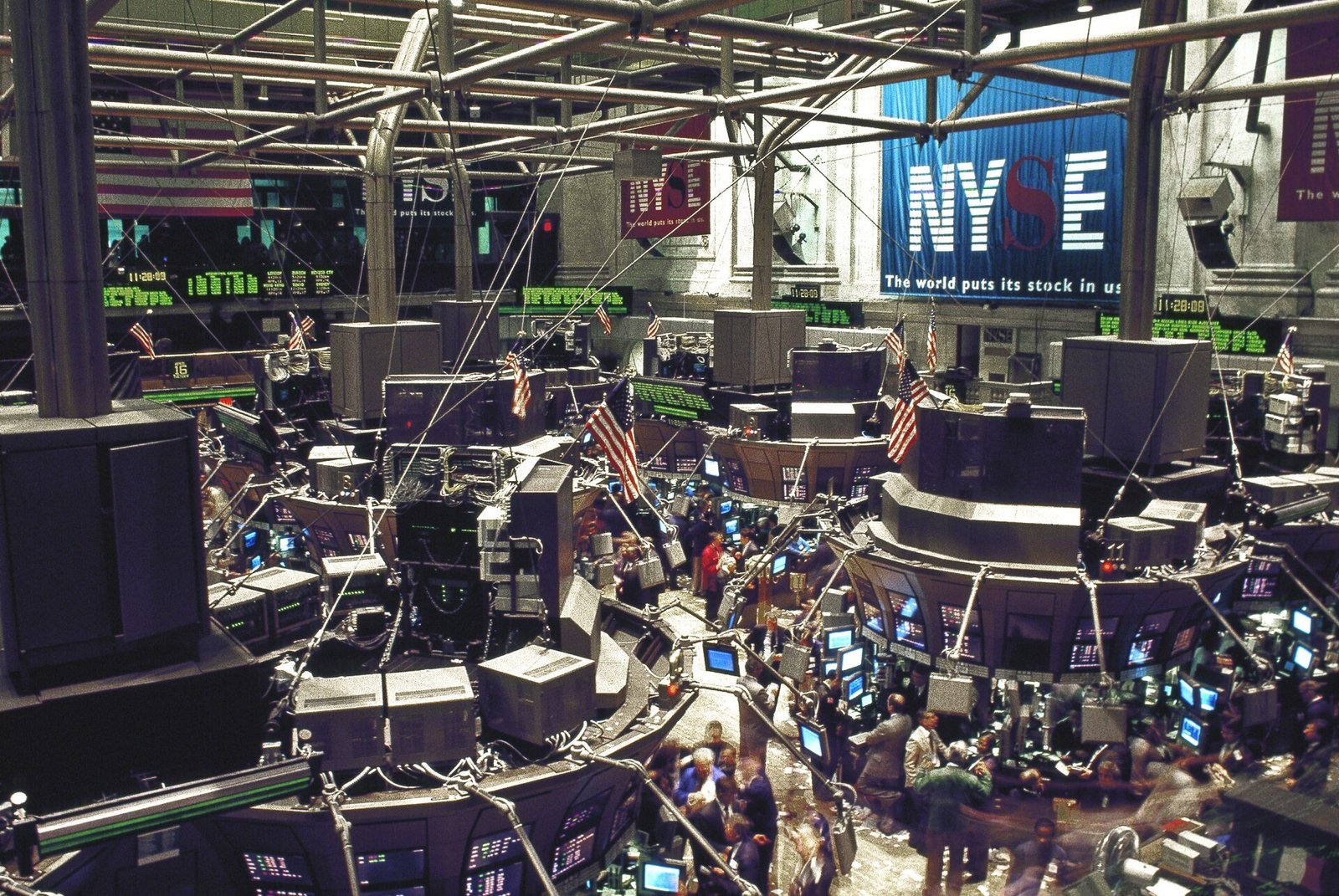
- Thursday, Nov. 26: U.S. stock markets are closed for Thanksgiving.
- Friday, Nov. 27: Stocks trade a shortened session and close at 1 p.m. Eastern, according to the NYSE holiday calendar and eOption.
Wednesday’s inflation report comes ahead of the Fed’s December meeting, so it could shape expectations for interest rates on credit cards and loans. We covered what a December rate hike could mean in this explainer.
The bottom line
Black Friday isn’t dying. It’s spreading out. Fewer people plan to crowd into the five-day weekend because the deals started weeks ago, but online spending is still expected to set records, and more shoppers are paying in installments. With prices still high, the smartest move this week is pretty boring: set a number, make a list, check price history, and treat BNPL like any other bill.
Sources
- NRF: 183 Million Consumers Expected to Shop During Thanksgiving Weekend
- Chain Store Age: NRF: Fewer consumers will shop Thanksgiving weekend this year
- eMarketer: 182.7 million consumers plan to shop the Cyber Five, down 2.3% from last year
- Adobe: U.S. Holiday Shopping Season to Hit Record $275.1 Billion Online
- Reuters: US holiday online sales to grow 6.7% as discounts attract shoppers, Adobe Analytics forecasts
- PPC Land: Adobe’s $275.1bn holiday forecast gets a correction, not new numbers
- Statista: Cyber Week Spending Set to Hit New Highs in 2026
- Bain & Company: Black Friday 2026 Sales Forecast
- HomePage News: Bain: More Consumers Plan To Shop 2026 Black Friday, Cyber Monday
- Finder: 2026 Black Friday Shopping Report
- Reuters (via Investing.com): ‘Black Friday’ brings consumer spending into focus for AI-rocked market
- AP: Inflation, economic growth and the mood of US consumers in focus this week
- U.S. Bureau of Economic Analysis: Release Schedule
- eOption: Weekly Event Calendar, Nov. 23–27, 2026
- NYSE: Holidays & Trading Hours
This article is for informational purposes only and is not financial advice.


One thought on “Black Friday 2026 Forecast: Fewer Shoppers, Record Online Spending”