









Key takeaways
- It’s not too late. Big employers are still hiring for the holidays: Amazon says it’s hiring more than 300,000 people, UPS more than 100,000, and the Postal Service a little more than 10,000.
- Pay for big seasonal jobs often lands around $20 an hour or more. Amazon says its seasonal workers average $20 an hour, but your rate depends on the job and where you live.
- Apply on the company’s own careers site, keep your availability wide open, and be ready to start fast. Many seasonal roles don’t need an interview.
- A W-2 job withholds taxes for you. A 1099 gig doesn’t, so set money aside, and remember the income counts even if you never get a form.
- Real employers don’t charge you to work. If someone asks for a fee, gift cards, or wants you to deposit a check and send money back, walk away.
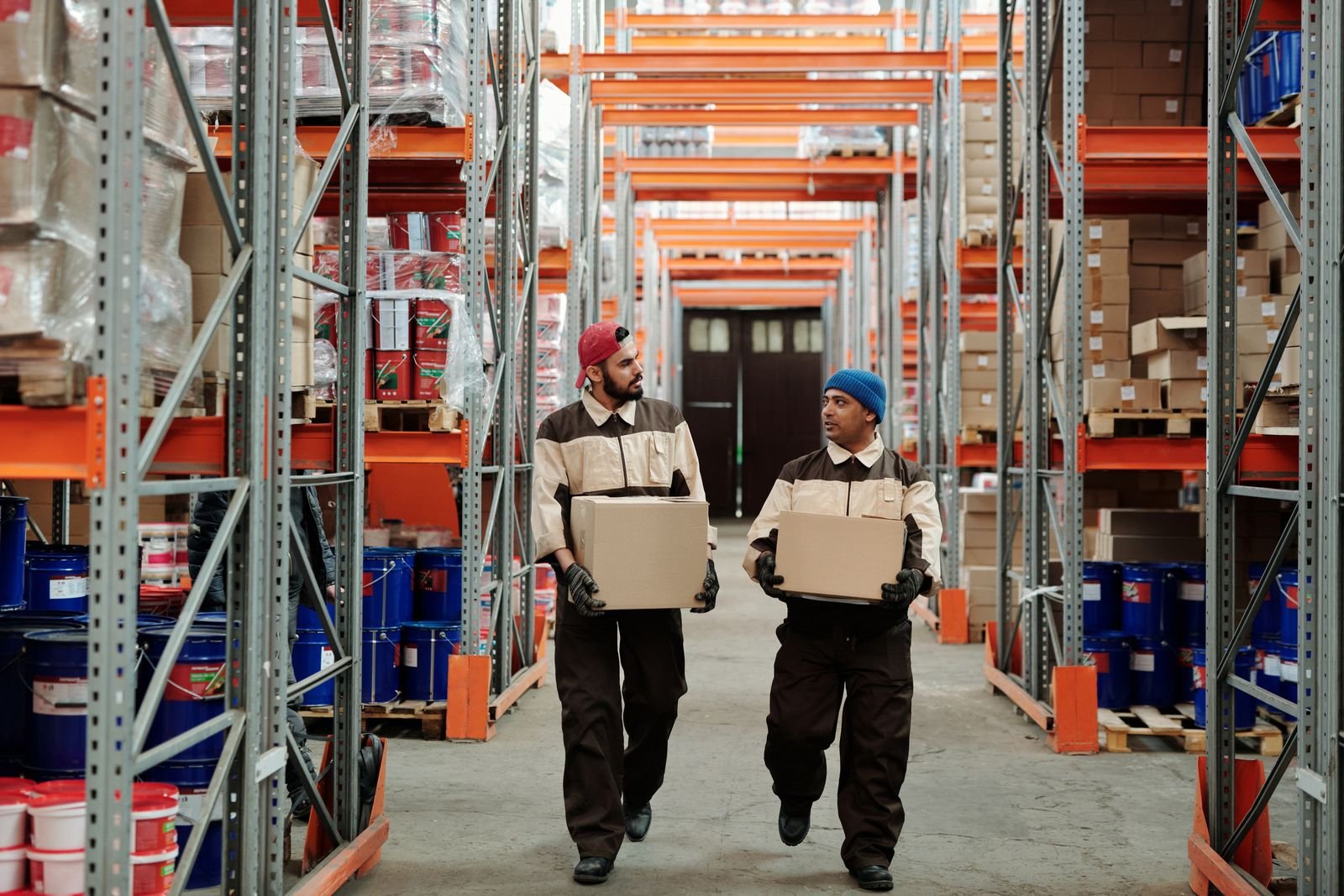
Photo: Tiger Lily / Pexels
Thanksgiving is next week, Black Friday lands on Nov. 27, and if you want extra holiday cash, you may feel like you missed the boat. You probably didn’t. Plenty of companies are still filling seasonal spots, often with people who can start right away.
Here’s where to look, what kind of pay to expect, how to get hired quickly, and how to handle the tax side so a January surprise doesn’t eat your holiday money. We’ll also cover the job scams that pop up every year at this time.
Is anyone still hiring this late?
Yes. The National Retail Federation expects retailers to hire between 325,000 and 375,000 seasonal workers this holiday season, about in line with the estimated 356,000 they hired in 2025, according to both the NRF and Retail Dive. That’s a steady year, not a boom, so it pays to move quickly.
Shipping and warehouse work is where the biggest numbers are:
- Amazon said on Oct. 20 that it’s hiring more than 300,000 people for seasonal, part-time and full-time roles across its U.S. operations this holiday season, as both Amazon and CBS News reported. Amazon says it posts new openings every week through December.
- UPS is hiring more than 100,000 seasonal workers in hundreds of U.S. locations, according to UPS and Reuters. Jobs include package handlers, driver helpers and drivers.
- The U.S. Postal Service plans to hire a little more than 10,000 seasonal employees, down from about 40,000 a few years ago, as both USPS and Money reported.
Big stores like Target, Walmart, Kohl’s and Best Buy haven’t announced a set number this year, but Money found thousands of seasonal listings on their job sites in early November. Don’t skip smaller options either: local shops, malls, garden centers selling Christmas trees, restaurants and catering companies that handle holiday parties often hire with less competition.
What seasonal jobs pay, and the perks worth asking about
Pay depends a lot on the role and your ZIP code, so treat these as ballpark numbers, not promises.
- Amazon: Seasonal workers earn an average of $20 an hour, the company says, a figure also reported by CBS News. CBS also listed sample openings, such as a delivery station warehouse job in Danbury, Connecticut, paying $21 to $23.50 an hour.
- UPS: UPS doesn’t publish one national rate. According to Money’s review of job listings, seasonal warehouse jobs typically pay around $21 an hour and delivery drivers around $23.
- Retail stores: Ranges vary widely. As one example, a Target seasonal overnight stocking listing in Norwalk, Connecticut, shows a starting rate of $18.50 an hour. Check the listing near you, since most big chains now post the pay range.
Pay isn’t the only thing to compare. Ask about:
- Store discounts. Handy for gift shopping.
- Shift premiums. Overnight, weekend and holiday shifts sometimes pay extra.
- Benefits. Most short gigs don’t come with health coverage, but there are exceptions. Amazon says that starting Jan. 1, 2027, seasonal employees who work at least 30 hours a week will get access to health coverage, which CBS News and Reuters also reported.
- A path to staying on. Many seasonal jobs can turn permanent, but there’s no guarantee. If you want to stay past the holidays, say so early.
How to get hired fast
This late in the season, speed matters more than a perfect resume. A few things help:
- Go straight to the source. Apply on the company’s own careers page (like amazon.jobs, jobs-ups.com or jobs.usps.com) instead of through a random link in a text or social media ad.
- Keep your availability wide. Retailers are short on people for nights, weekends and the days right around Christmas. The more of those you can cover, the better your odds.
- Have your paperwork ready. Once you’re hired, you’ll fill out a Form I-9 to prove you can work in the U.S. Have your ID documents and bank info for direct deposit handy so you can start right away.
- Turn on job alerts. New shifts open up all season as people quit or demand changes. Amazon, for example, lets you sign up for local job alerts.
UPS says many applicants can get a job offer in less than seven minutes, and many of its seasonal roles don’t require an interview.
Taxes: W-2 job or 1099 gig?
Before you say yes, find out how you’ll be paid. It changes what lands in your pocket.
W-2 seasonal jobs
If you’re hired as an employee by a store, warehouse or the Postal Service, you’ll get a W-2. Your employer withholds income tax plus Social Security and Medicare from each paycheck. Fill out your Form W-4 carefully. If you already have a main job, a second paycheck can push you into owing at tax time if neither job withholds enough.
1099 gigs
Delivery apps, freelance gift wrapping, holiday photography and similar side gigs usually treat you as an independent contractor. Nobody withholds tax for you. On top of income tax, you generally owe self-employment tax of 15.3% if your net self-employment earnings hit $400 or more for the year, according to the IRS. You can deduct legitimate business expenses, like work-related mileage, which brings that bill down.
One change for 2026: businesses now only have to send you a Form 1099-NEC if they paid you $2,000 or more during the year, up from $600, according to the IRS and the National Association of Tax Professionals. That doesn’t make smaller amounts tax-free. You still have to report the income, form or no form.
A simple habit: move a slice of every gig payment into a separate savings account the day it arrives. Our guide on how to track side hustle income for taxes walks through an easy system.
How to spot a fake holiday job offer
Scammers love this time of year because so many people are looking for quick work. Reported losses to job and fake employment agency scams jumped from $90 million in 2020 to $501 million in 2024, based on FTC data reported by Axios and BleepingComputer. And according to the FTC, one in three people who reported losing money to a job or business opportunity scam in 2025 said it started on social media.
Red flags, many of them listed by New York’s Division of Consumer Protection:
- You have to pay for training, equipment, a “starter kit” or a background check.
- They send you a check, ask you to deposit it, and want part of the money sent back or spent on gift cards.
- They want your Social Security number or bank details before any real interview or offer.
- Everything happens by text or a messaging app, from a personal email address that doesn’t match the company’s website.
- The pay sounds way too high for easy, vague work, like “package reshipping” from home.
If a job claims to be from Amazon, UPS or a big store, find the same opening on that company’s official site before you share anything. Fake “your package is waiting” texts are making the rounds too, so read our guide to fake delivery text scams. If you think you’ve been targeted, report it at ReportFraud.ftc.gov.
Make the extra money count
A few weeks of seasonal work can add up fast, so decide where it goes before you earn it. Cover your holiday spending first with a plan like our holiday budget you’ll actually stick to, then send whatever’s left toward high-interest debt or an emergency cushion. If you’re starting from zero, here’s how to build an emergency fund on a tight budget.
The bottom line
Late November isn’t too late to land a holiday job. Big shippers and retailers are still hiring, pay at the largest employers often sits around $20 an hour, and many roles can start within days. Apply directly on company websites, know whether you’ll get a W-2 or a 1099, set money aside for taxes on gig work, and never pay anyone for the chance to work.
Sources
- NRF: NRF Forecasts 2026 Holiday Sales Growth as Consumers Remain Resilient
- Retail Dive: NRF forecasts 4.2% holiday sales growth, muted seasonal hiring
- Amazon: Amazon is creating over 300,000 new US jobs this holiday season
- CBS News: Amazon says it will hire 300,000 workers for seasonal jobs this year
- Reuters (via Investing.com): Amazon to recruit over 300,000 workers for holiday season
- UPS: UPS Scales Seasonal Workforce
- Reuters (via Investing.com): UPS to hire 100,000 temporary workers ahead of peak holiday season
- USPS: Postal Service Prepped To Deliver for 2026 Holiday Season
- Money: These Companies Are Hiring 447,000 Seasonal Workers
- Target Careers: Seasonal Overnight Inbound (Stocking), Norwalk, CT
- IRS: Self-Employment Tax (Social Security and Medicare Taxes)
- IRS: Am I required to file a Form 1099 or other information return?
- NATP: Form 1099 filing changes under the new $2,000 threshold
- Axios: Fraudsters target tough job market in growing employment scams
- BleepingComputer: US govt says Americans lost record $12.5 billion to fraud in 2024
- FTC: Reported losses to scams on social media (Data Spotlight)
- New York Department of State: Tips to spot employment scams
This article is for informational purposes only and is not financial advice.