









Key takeaways
- Cooked Thanksgiving leftovers are good for 3 to 4 days in the fridge. With Thanksgiving on Thursday, Nov. 26, that means eat them or freeze them by Monday, Nov. 30.
- Get food into the fridge within 2 hours of cooking. You don’t need to let it cool on the counter first.
- Keep your fridge at 40°F or below and your freezer at 0°F or below.
- Reheat leftovers to 165°F, checked with a food thermometer, and bring gravy to a rolling boil.
- Frozen leftovers stay safe as long as they stay frozen. For the best taste, eat frozen turkey and sides within about 2 to 6 months.
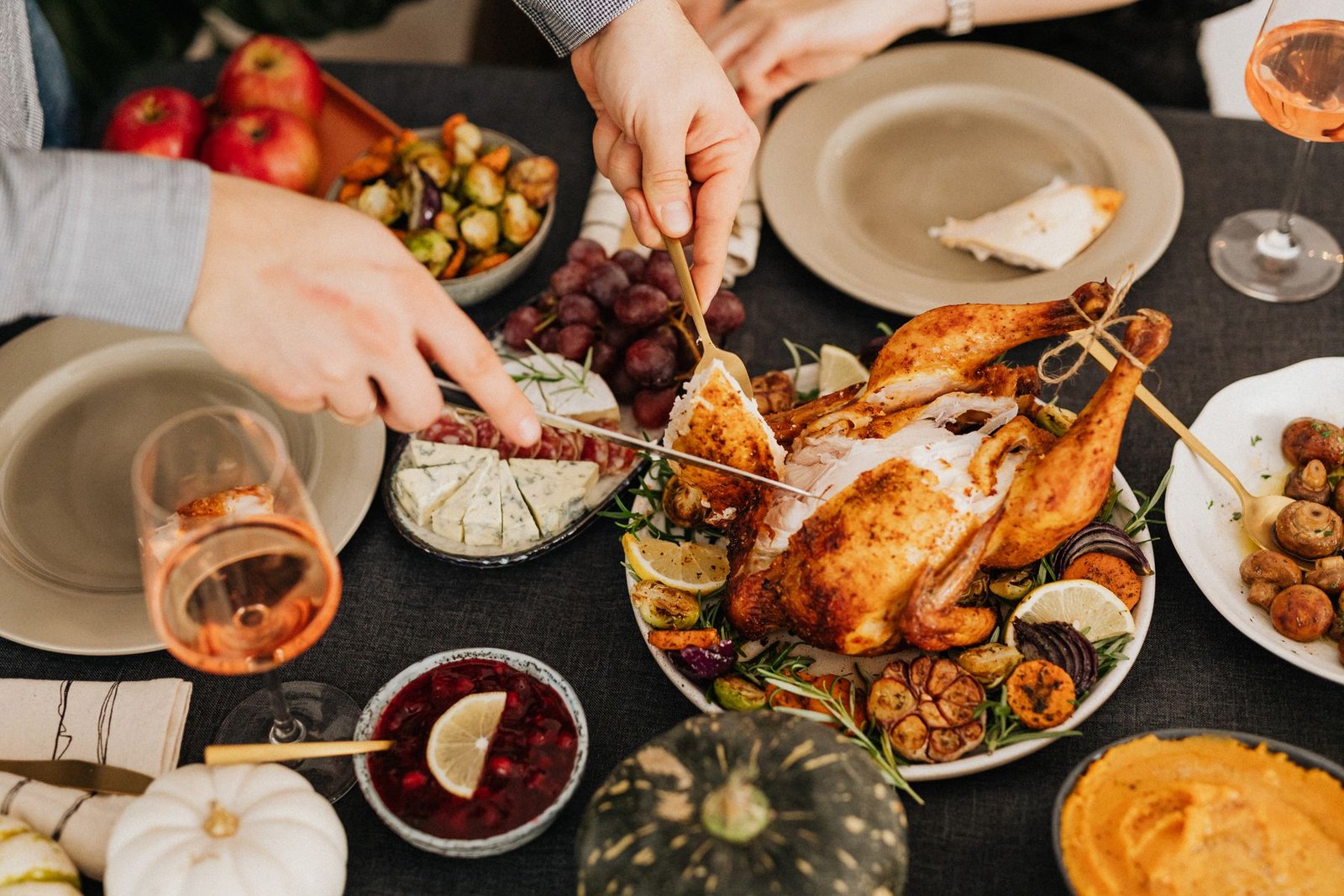
Photo: Kaboompics / Pexels
For a lot of us, the best part of Thanksgiving is Friday: a cold turkey sandwich, a scoop of stuffing straight from the container, pie for breakfast. But that pile of leftovers comes with a deadline, and it’s shorter than most people think.
Here’s how long Thanksgiving leftovers actually last, how to store and reheat them so nobody gets sick, and how to stretch them into a few extra meals so the money you spent on the big dinner goes further.
How long do Thanksgiving leftovers last in the fridge?
The short answer: 3 to 4 days. Both the USDA’s Food Safety and Inspection Service and the federal FoodSafety.gov storage chart give that window for cooked meat, poultry and most cooked dishes.
The USDA puts it in a way that’s easy to remember: use the Monday after Thanksgiving as your last day to eat leftovers from the fridge, or move them to the freezer before then. This year, Thanksgiving is Thursday, Nov. 26, so your cutoff is Monday, Nov. 30.
Here’s how the main dishes break down, based on government and university extension guidance:
- Cooked turkey: 3 to 4 days in the fridge, according to both the USDA and University of Illinois Extension.
- Stuffing, casseroles and other cooked sides: about 3 to 4 days. The USDA lists 3 to 4 days for cooked dishes, and Illinois Extension says 4 days for stuffing and green bean casserole.
- Gravy: this is where the advice splits. The USDA groups gravy with cooked dishes at 3 to 4 days, while Illinois Extension is more cautious at 1 to 2 days. Our take: use the gravy first, or freeze it early.
- Pumpkin and pecan pie: 3 to 4 days in the fridge after baking, per FoodSafety.gov and Iowa State University Extension. Yes, these pies belong in the fridge, because they’re made with eggs and milk.
One more thing: the clock starts when the food was cooked, not when you finally put it away. And don’t count on a sniff test. Food can look and smell fine and still make you sick. When in doubt, throw it out.
The 2-hour rule (and why the counter isn’t your friend)
Bacteria grow fastest between 40°F and 140°F, a range food safety agencies call the “Danger Zone.” Both the CDC and the USDA say perishable food shouldn’t sit out for more than 2 hours, or 1 hour if it’s above 90°F.
On Thanksgiving, that clock is easy to blow past. Dinner runs long, the football game goes to overtime, and the turkey sits on the counter while everyone naps. A simple fix: set a phone timer for 2 hours when dinner hits the table. When it goes off, the food goes in the fridge, even if people are still picking at it.
And skip the old habit of letting food “cool down” first. The USDA and CDC both say hot food can go straight into the fridge. Waiting just gives bacteria more time.
How to store Thanksgiving leftovers the right way
How you pack leftovers matters as much as how fast you do it. The goal is to get everything cold quickly.
- Take the turkey off the bone. A whole bird takes too long to chill. The USDA recommends slicing the breast meat; legs and wings can stay whole.
- Pull the stuffing out of the bird and store it separately.
- Use shallow containers. Smaller portions cool faster than one deep tub, according to both the USDA and the CDC.
- Cover everything tightly. Airtight containers or wrap keep bacteria out, hold in moisture and stop your pie from tasting like onions.
- Check your fridge temperature. The CDC and FoodSafety.gov say it should be 40°F or below. If your fridge doesn’t show the temperature, an inexpensive appliance thermometer will tell you.
- Label and date the containers. A strip of masking tape and a marker saves a lot of “how old is this?” guessing on Tuesday.
Tip: clear out the fridge a day or two before Thanksgiving. If there’s no room on Thursday night, you’ll be tempted to leave things out “just for a bit.”
How long do Thanksgiving leftovers last in the freezer?
Much longer. Food kept at 0°F or below stays safe indefinitely, according to FoodSafety.gov and the USDA. Freezer times are about quality, not safety. After a while, food dries out and loses flavor.
For best quality, the USDA says frozen Thanksgiving leftovers are best within about 2 to 6 months, and FoodSafety.gov gives the same 2-to-6-month range for cooked poultry. For pie, FoodSafety.gov and Iowa State Extension both say pumpkin and pecan pie keep their quality for about 1 to 2 months in the freezer.
A few freezer tips:
- Freeze early, not on day 4. Illinois Extension points out that freezing doesn’t improve quality, so if you know you won’t finish the turkey, freeze some on Friday while it’s still at its best.
- Freeze in meal-size portions. A bag with enough turkey for one dinner is easier to use than a 3-pound brick.
- Cover turkey with broth or gravy before freezing. It helps keep the meat from drying out.
To thaw, use the fridge, cold water or the microwave. Never thaw on the counter, the CDC and USDA say. The USDA also says you can reheat frozen leftovers without thawing them first; it just takes longer.
How to reheat leftovers safely
Reheat leftovers to 165°F, measured with a food thermometer. That’s the number from both the CDC and the USDA.
- Gravy, soups and sauces: bring them to a rolling boil, the USDA says.
- Microwave: cover the dish, add a splash of liquid if needed, and stir or rotate halfway through. Microwaves leave cold spots, so let the food rest for a minute and check the temperature in a few places.
- Oven: cover turkey with foil and add a little broth so it doesn’t dry out.
- Don’t reheat a whole turkey. The USDA doesn’t recommend it. Cut it into pieces first.
Only heat what you’ll eat, and leave the rest in the fridge.
How to stretch your leftovers and save money
Food waste is a real money leak. The USDA and FDA both estimate that 30% to 40% of the U.S. food supply goes to waste. Your Thanksgiving food wasn’t cheap (here’s what Thanksgiving dinner costs this year and how to save), so getting a few extra meals out of it is like a small discount on the whole feast.
Some easy ideas:
- Turkey soup from the carcass. Simmer the bones with onion, carrots and celery for broth, then add leftover turkey and noodles or rice. One pot can feed a family for a couple of nights, and soup freezes well.
- Turkey sandwiches and wraps for work lunches. Skipping takeout a few days next week adds up.
- Thanksgiving casserole or pot pie. Layer turkey, gravy and vegetables, then top with stuffing or mashed potatoes and bake.
- Turkey fried rice, quesadillas or tacos if your family is sick of turkey that tastes like turkey.
A few more ways to keep the savings going:
- Send leftovers home with guests in containers you don’t need back. It cuts waste and clears fridge space.
- Plan next week’s grocery run around the leftovers. Check the fridge before you shop so you don’t buy dinner ingredients you already have.
- Batch your reheating. Warming several dishes in the oven at once beats running it again and again, and the extra heat helps warm the kitchen. For more ways to keep energy costs down this season, see our tips to lower your heating bill this winter.
- Buy less next year. If you threw out a lot this year, make a quick note now about what went uneaten. It’s the easiest way to trim next year’s grocery bill and keep your holiday budget on track.
The bottom line
Thanksgiving leftovers are good for 3 to 4 days in the fridge, so plan to finish them or freeze them by Monday, Nov. 30. Get food into the fridge within 2 hours, store it in shallow covered containers, keep the fridge at 40°F or below, and reheat everything to 165°F. Freeze what you won’t eat in time, and turn the rest into soups, sandwiches and casseroles. You’ll stay safe and get more out of the money you spent on the big meal.
Sources
- USDA FSIS: Leftovers and Food Safety
- USDA FSIS: Turkey Basics: Handling Cooked Dinners
- USDA FSIS: Happy Thanksgiving (food safety tips)
- USDA: Thanksgiving Leftovers for Safe Keeping, Weekend Grazing
- FoodSafety.gov: Cold Food Storage Chart
- CDC: Preventing Food Poisoning
- University of Illinois Extension: Storing Leftovers
- Iowa State University Extension: Storing Pumpkin and Pecan Pie – Refrigerate or Not?
- USDA: Food Waste FAQs
- FDA: Food Loss and Waste
This article is for informational purposes only and is not financial advice.