






Key takeaways
- A pound of ground coffee averaged $9.25 in U.S. cities in October 2026, up from about $4.17 in October 2019, according to Bureau of Labor Statistics data. That’s an increase of roughly 122%.
- The shelf price has been sliding a little: it peaked at about $9.72 in April 2026, and the coffee part of the Consumer Price Index fell about 3.5% from September to October.
- On the futures market, robusta beans just hit their lowest level in roughly two and three-quarter years as Vietnam’s new harvest arrives, and arabica slipped too.
- Relief at the store will be slow. Roasters buy beans months ahead, and stocks of exchange-certified arabica are at a 27-year low.
- You can cut your coffee bill now by comparing price per ounce, buying store brands or whole beans, and brewing at home more often.
If your morning coffee feels like a small luxury lately, you’re not imagining it. A pound of plain ground coffee now costs more than twice what it did before the pandemic, and it’s one of the grocery items people keep talking about this week as holiday shopping ramps up.
The good news: the price of raw coffee beans has started to fall. The less fun news: that drop takes a while to reach the bag in your cart. Here’s what the numbers say, why coffee got so expensive, and what you can do about it while you wait.
How much coffee prices have gone up
The Bureau of Labor Statistics tracks the average price of 100% ground roast coffee in U.S. cities every month. The same series is published by the St. Louis Fed. Here’s how it has moved:
- October 2019: about $4.17 per pound
- January 2025: about $7.02 per pound
- April 2026 (the peak so far): about $9.72 per pound
- October 2026: about $9.25 per pound
Going from $4.17 to $9.25 works out to an increase of roughly 122% in seven years.
One quirk: there’s no official October 2025 coffee price to compare against. The BLS didn’t collect that month’s data because of last year’s government shutdown, which is also why it skipped publishing yearly inflation numbers for October, as Grocery Dive pointed out. The closest month on record, November 2025, came in at about $9.26 a pound, so coffee is roughly flat compared with a year ago, just stuck at a very high level.
A small dip, finally
Coffee was actually one of the few bright spots in the latest inflation report. Overall grocery prices rose 0.4% from September to October, the biggest monthly jump since April, driven by vegetables and beef. Coffee went the other way: its piece of the Consumer Price Index dropped about 3.5% in a single month, according to the BLS figures reported by Grocery Dive.
The average price per pound also slipped for most of 2026, from that April high of $9.72 to $9.25 in October. That’s about 50 cents off a pound. Not exactly a sale, but it’s a direction coffee drinkers haven’t seen much in the last few years.
Why coffee got so expensive in the first place
There isn’t one villain here. A few things stacked up at once:
- Bad harvests and weather. Brazil and Vietnam grow a huge share of the world’s coffee. Brazil alone accounts for roughly 35% to 40% of world production, according to figures from the International Coffee Organization and the USDA cited by Barchart. When weather hurts crops in those two countries, global prices jump.
- Tariffs. Tariffs on Brazilian goods pushed up U.S. costs in 2025. Reuters reported that global coffee prices fell sharply after the White House removed tariffs on Brazilian coffee in November 2025, and later that Brazil’s instant coffee was left out of a new round of U.S. tariffs. World Coffee Index notes coffee stays exempt from the latest U.S. duties on Brazil, so your cup isn’t directly in that fight right now.
- Higher costs everywhere else. Shipping, packaging and labor all cost more than in 2019. Diesel, which moves groceries around the country, is sharply more expensive than a year ago, according to Grocery Dive’s reading of government data.
- The lag. Roasters usually lock in their beans months in advance. So even when raw prices fall, the coffee on the shelf was often bought at the old, higher price.
What’s happening with coffee beans right now
This is where things get a bit more hopeful. Coffee is traded on futures markets, and those prices tend to move before store prices do.
On Friday, Nov. 20, robusta coffee, the cheaper bean used in a lot of instant coffee and grocery-store blends, fell to its lowest level in about two and three-quarter years, according to both Barchart and World Coffee Index. The main reason: Vietnam’s new harvest is arriving in bigger amounts. A weaker Brazilian currency is also nudging exporters there to sell more coffee.
Arabica, the bean most specialty and premium coffees use, slipped too. March arabica futures closed down about 2.7% on Friday, according to Barchart, and finished the week near $2.69 a pound, according to World Coffee Index.
There’s a catch, though. The amount of arabica sitting in warehouses certified by the ICE exchange fell to 186,414 bags on Monday, Nov. 16, the lowest in about 27 years, as both outlets reported. Lots of Brazilian coffee is waiting to be graded, but until it passes inspection, that tight supply helps keep arabica prices from falling fast.
Barchart also notes that some traders are worried a strong El Niño weather pattern could hurt next year’s crops in Brazil and Vietnam. That’s a forecast risk, not a sure thing, but it’s one reason nobody is promising cheap coffee in 2027.
So when will coffee get cheaper at the store?
Nobody can give you a date, and you should be skeptical of anyone who does. What we can say:
- Cheaper raw beans usually show up in store prices with a delay of several months, because of how roasters buy.
- Cheap, mass-market coffee and instant coffee, which lean on robusta, are the most likely to ease first. World Coffee Index makes the point that specialty coffee, priced by farm and quality, barely reacts to the futures market.
- The October shelf price already dipped, so the trend is pointing the right way for now.
In other words, the price of your coffee may drift lower over the coming months, but it’s unlikely to snap back anywhere near 2019 levels.
How to spend less on coffee right now
You don’t have to quit coffee to save money on it. A few simple moves help:
- Check the price per ounce, not the bag price. Bag sizes vary a lot between brands. The shelf tag usually shows a unit price; use it to compare a 10-ounce bag with a 12-ounce one.
- Try the store brand. Store-brand coffee is often roasted by the same kinds of suppliers and usually costs less. Buy one bag and see if you can tell the difference.
- Buy whole beans and freeze extras. If you find a good deal, whole beans keep their flavor longer. Store them airtight, and freeze what you won’t use in a couple of weeks.
- Do the cost-per-cup math. As a rough estimate, a pound of ground coffee makes around 40 to 45 cups at about 10 grams per cup. At $9.25 a pound, that’s about 20 to 25 cents a cup at home, far below what you’ll pay at a coffee shop.
- Use apps and loyalty programs on purpose. If you do buy out, stick to one chain’s app so rewards actually add up, instead of spreading points across five places.
- Be careful with “deals” on coffee makers. Black Friday is next week. Before buying a new machine, check its price history with our guide on how to tell if a Black Friday deal is real.
Coffee is part of a bigger grocery squeeze. If you’re planning a holiday meal, our breakdown of why Thanksgiving dinner costs 6% more this year has more ways to save, and our holiday budget guide can help you plan the rest of the season.
The bottom line
Coffee more than doubled in price between 2019 and 2026, and it’s still near record territory at about $9.25 a pound. Raw bean prices are falling as new harvests from Vietnam and Brazil arrive, and the shelf price has started to slip. But tight arabica supplies and the slow way roasters buy mean any relief will come gradually. Until then, small habits like comparing unit prices and brewing at home do the most for your budget.
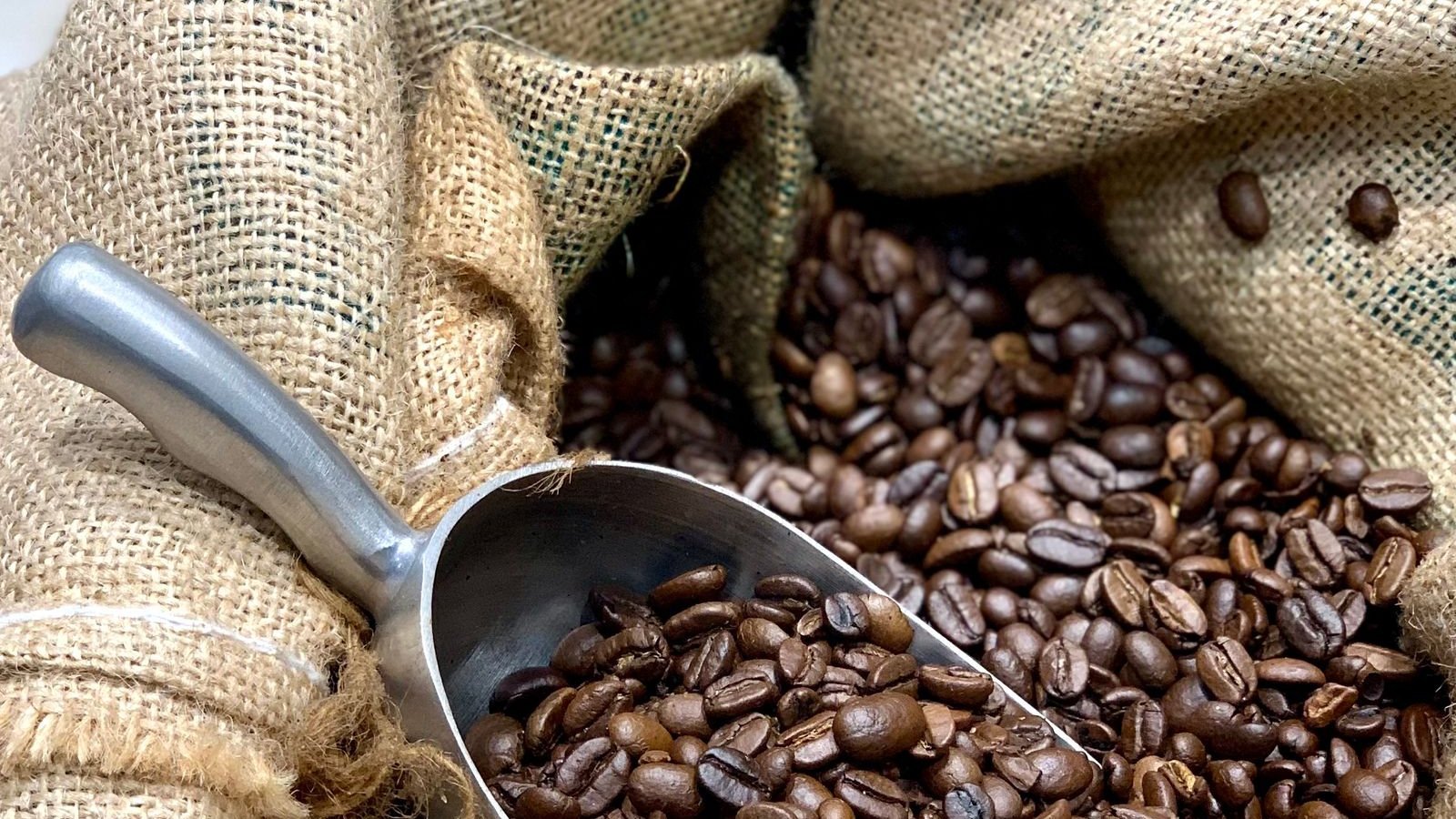
Photo: Mariya Eskina / Pexels
Sources
- U.S. Bureau of Labor Statistics: Average price, ground coffee, U.S. city average
- St. Louis Fed (ALFRED): Average Price, Coffee, 100% Ground Roast
- Grocery Dive: Grocery inflation rises, driven by produce and meat
- Barchart: Coffee Prices Fall on Expectations of Abundant Supplies
- World Coffee Index: Coffee this week, Nov. 21, 2026
- Reuters: Global coffee prices plunge after Trump removes tariffs on Brazil
- Reuters: Brazil instant coffee sector exempt from new US tariffs
- Reuters: US coffee drinkers face higher prices even after Trump’s tariff reset
This article is for informational purposes only and is not financial advice.