





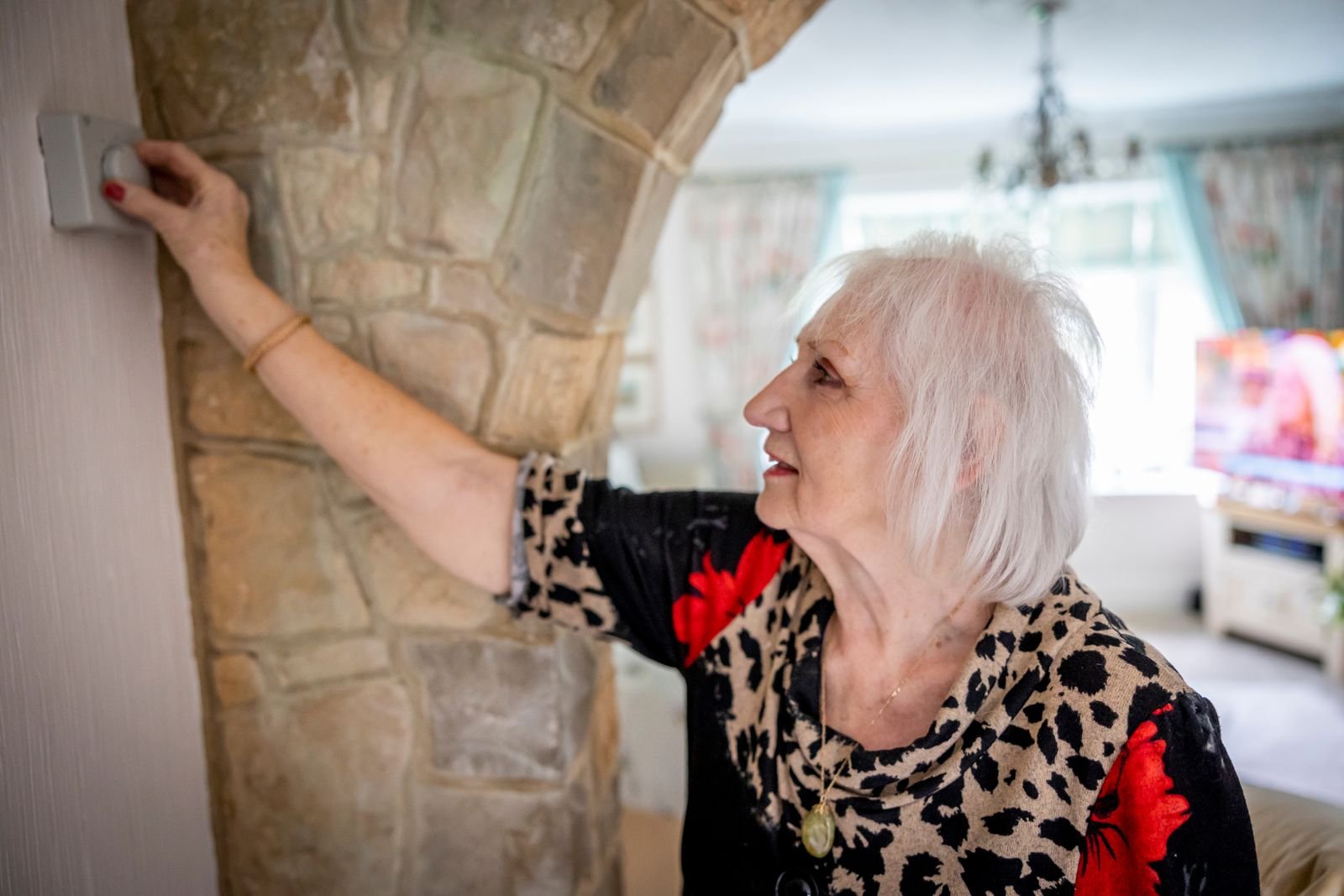
When the first real cold snap hits, a lot of us do the same thing: crank the thermostat, forget about it, and then wince at the bill a month later. Heating is usually the biggest energy expense in a home during winter, so a few small changes here go further than almost anything else you can do around the house.
The good news is that most of the fixes below cost little or nothing. Here’s what this winter’s bills are expected to look like, and a practical checklist to lower your heating bill without spending the season wrapped in three blankets.
What heating may cost you this winter
In its 2026-27 Winter Fuels Outlook, the U.S. Energy Information Administration (EIA) expects a mixed picture depending on how you heat your home, for the November-to-March season:
- Natural gas: about $640 on average, down 9% from last winter.
- Electricity: about $1,196, up 4%. EIA says more than 40% of homes heat with electricity.
- Propane: about $1,246, down 3%.
- Heating oil: about $2,115, up 21%. That hits roughly 3% of U.S. homes, mostly in the Northeast.
MarketWatch’s report on the outlook notes that gas-heated homes in the West could still see spending rise about 7% because of higher consumption. Your own bill depends on your region, your home and the weather, but if you heat with electricity or oil, it’s worth getting ahead of it now.
1. Set the thermostat smarter, not colder
This is the single easiest win. The Department of Energy’s guide to home heating and cooling suggests about 68°F while you’re awake and at home, then setting it back while you sleep or are out. According to the DOE, you can save around 1% on heating for each degree you set it back over an eight-hour period, and up to about 10% a year by turning it back 7 to 10 degrees for eight hours a day.
You don’t need a fancy smart thermostat to do this. Most basic programmable models handle a simple schedule: cooler overnight and during work hours, warm again shortly before you wake up or get home. If you rent and can’t change the thermostat, just turning it down manually at bedtime still counts.
2. Hunt down drafts
Air leaks are one of the biggest sources of wasted heat. The DOE’s Energy Saver guide says sealing uncontrolled air leaks with caulk and weatherstripping can save 10% to 20% on heating and cooling bills.
A quick way to find leaks: on a windy day, slowly move your hand (or a lit incense stick, carefully) around window frames, door edges, outlets on outside walls and where pipes enter the house. Wherever you feel a draft or see the smoke waver, you’ve found a leak.
- Weatherstripping goes on things that move, like doors and windows that open.
- Caulk goes on gaps that don’t move, like cracks around window frames and trim.
- A door sweep or draft stopper handles the gap under exterior doors. A rolled-up towel works in a pinch.
3. Check your furnace filter
A clogged filter makes your system work harder and take longer to heat the house. ENERGY STAR recommends checking it once a month during heavy-use months and cleaning or replacing it when it looks dirty, or every three months at a minimum. Write the size printed on the side of the filter in your phone so you buy the right one next time.
ENERGY STAR also points out that sealing and insulating ducts in the attic or crawlspace can improve your system’s efficiency by as much as 10%, and it recommends a yearly professional tune-up.
4. Use the sun, and your curtains
Free heat is free heat. The DOE suggests letting sunlight in during the heating season. Open the curtains on south-facing windows during sunny days, then close them after dark to hold the warmth in. Heavier curtains or inexpensive window insulation film add another layer for drafty single-pane windows.
5. Flip your ceiling fan
Warm air rises and collects near the ceiling. The Department of Energy recommends switching your ceiling fan to run clockwise at low speed in winter, which pushes that warm air back down where you actually are. Most fans have a small switch on the motor housing. Turn it off when nobody’s in the room.
6. Small habits that add up
- Close the fireplace damper when you’re not using it, so warm air doesn’t go straight up the chimney.
- Keep vents and radiators clear of furniture, rugs and curtains.
- Close doors to rooms you rarely use, like a guest room, so you’re not heating empty space. (Don’t close supply vents on a central system without checking your system’s guidance, since that can affect airflow.)
- Dress for the season indoors. Socks, a sweater and a throw blanket on the couch make 66 or 67 degrees feel a lot friendlier.
Using a space heater? Do it safely
Heating just the room you’re in can make sense, but space heaters need respect. The Consumer Product Safety Commission estimates portable heaters were involved in an average of 1,600 fires a year from 2020 to 2022, with about 70 deaths a year. Its basic rules:
- Keep heaters at least three feet from curtains, furniture and bedding.
- Plug electric heaters directly into a wall outlet, never an extension cord or power strip.
- Turn them off when you go to sleep.
- Have smoke and carbon monoxide alarms on every level of your home, and test them monthly.
The CPSC also recommends a yearly professional inspection of fuel-burning systems like furnaces, boilers, fireplaces and chimneys.
If the bill is already too much
If you’re struggling to keep up, you’re not out of options:
- Call your utility. Many offer budget billing (spreading costs evenly across the year) or payment plans. Ask before you fall behind, not after.
- Look into LIHEAP. The federal Low Income Home Energy Assistance Program helps eligible households pay heating bills, and in some cases with weatherization or repairs. You apply through your state. The LIHEAP Clearinghouse lists programs, and the national Energy Assistance Hotline at 1-866-674-6327 can point you to your local office. Rules and deadlines vary by state, and funding can run out, so apply early.
A bigger heating bill is also a good reason to revisit your holiday budget and keep building a small emergency fund for the months when costs spike.
The bottom line
You don’t need a new furnace to lower your heating bill. Start with the thermostat schedule and a draft hunt this weekend, check the filter, and use the sun and your ceiling fan. Each step is small on its own, but together they can make a real dent, and they keep your home more comfortable too.
Sources
- EIA: Mixed outlook for energy expenditures this winter
- MarketWatch: EIA sees mixed 2026-27 winter heating costs for U.S. households
- U.S. Department of Energy: Guide to Home Heating and Cooling
- U.S. Department of Energy: Energy Saver Guide
- U.S. Department of Energy: 5 Tips to Help You Save on Energy Bills this Winter
- ENERGY STAR: Save on Heating Costs This Season
- CPSC: Keep Warm and Safe This Winter
- LIHEAP Clearinghouse: Need Help With Your Energy Bills?
This article is for general information only and is not financial advice.