


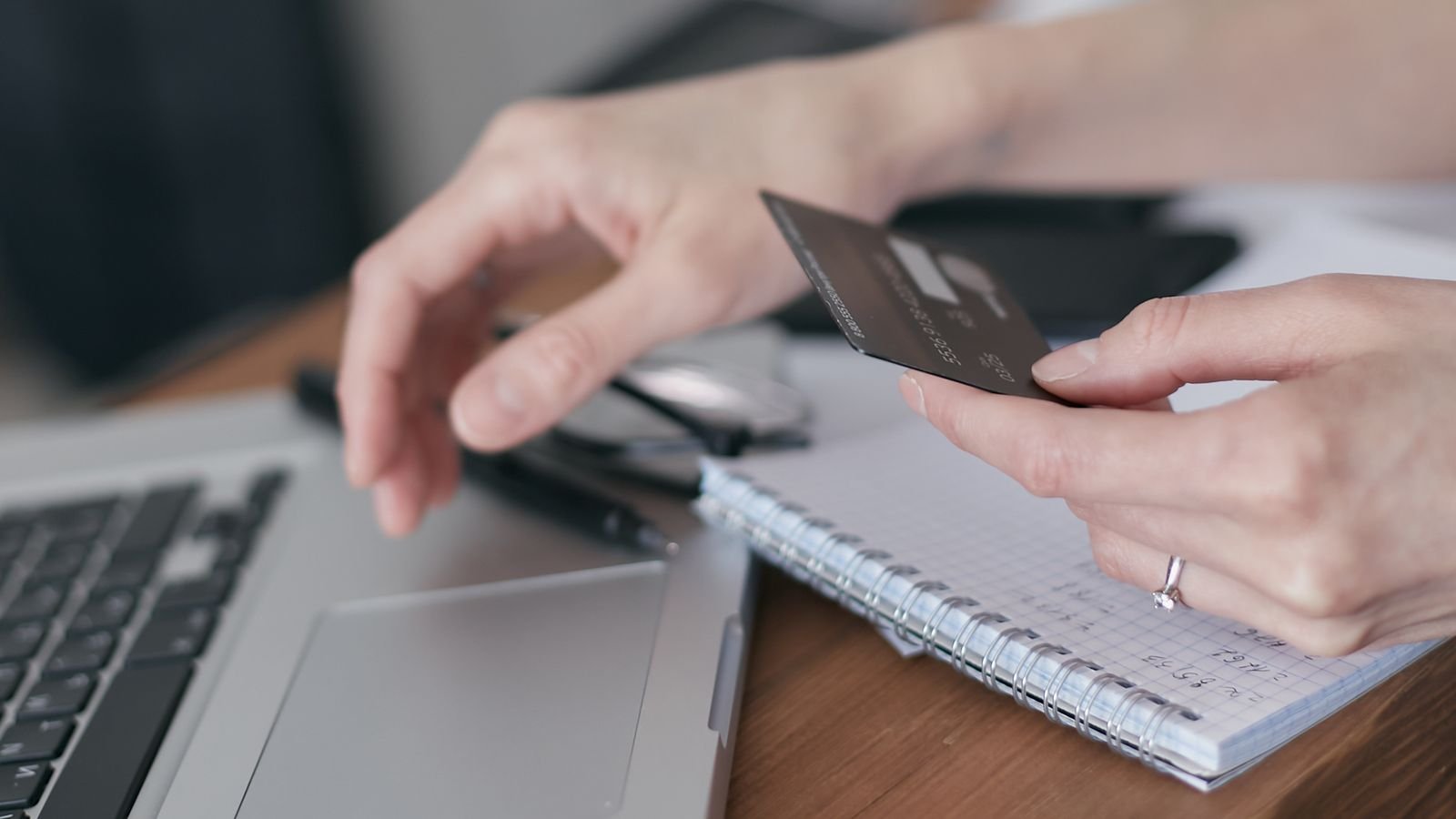
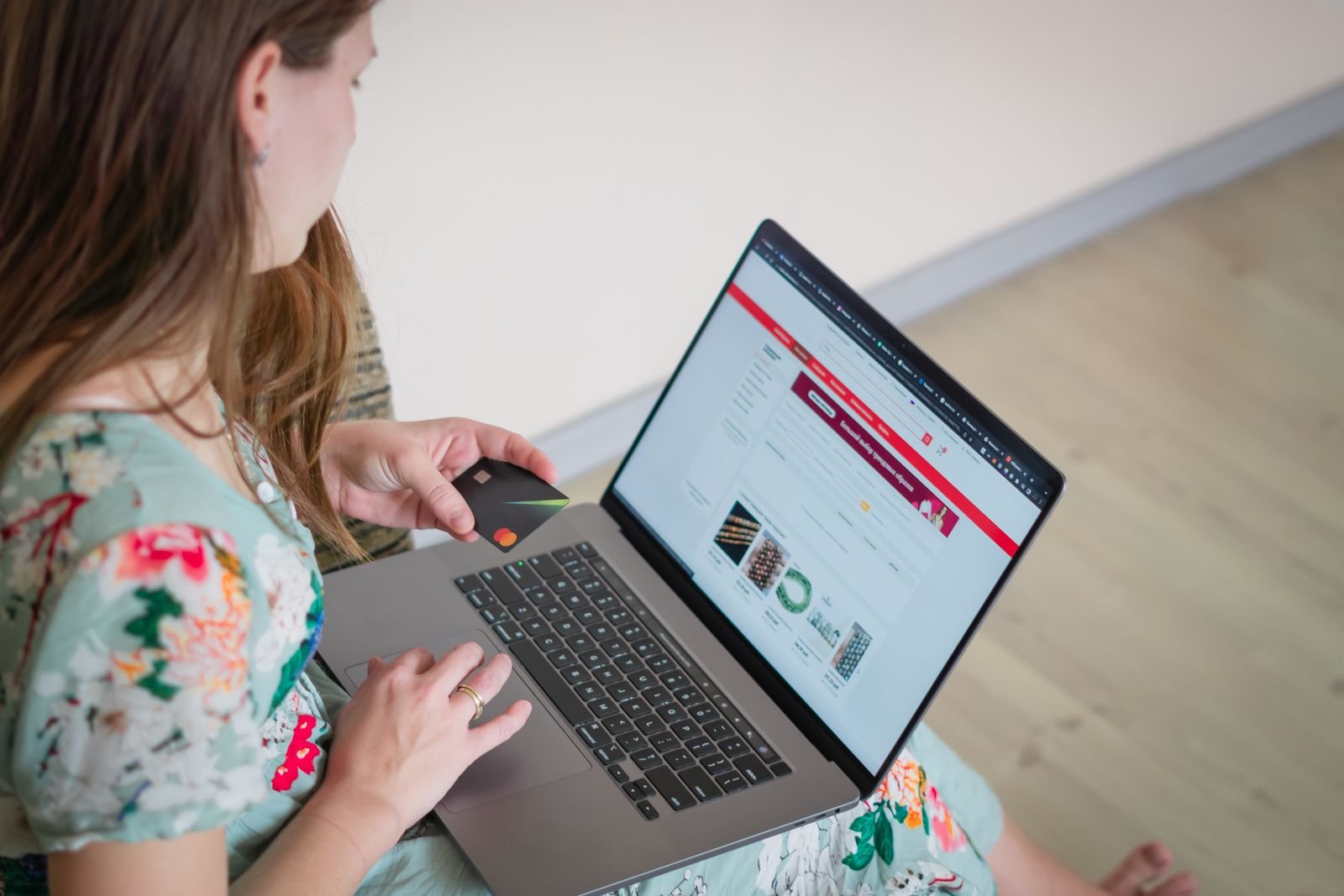
Black Friday lands on Nov. 27 this year, and Cyber Monday follows on Nov. 30. That means the next two weeks are prime time for deals, and for people pretending to offer them. Fake stores, phony delivery texts and “too good to be true” social media ads all spike when everyone is shopping fast and checking their phones nonstop.
The good news: most shopping scams follow the same handful of patterns. Once you know what they look like, they get much easier to spot. Here are the red flags worth checking before you tap “buy,” plus what to do if something already went wrong.
Key takeaways
- Go to a store’s website or app yourself instead of clicking links in ads, texts or emails.
- USPS says it won’t text you about a package unless you asked for tracking, and those texts won’t contain a link.
- Pay with a credit card. A seller that only takes gift cards, wire transfers, payment apps or crypto is a major warning sign.
- If you entered card details on a sketchy site, call your bank right away and report it at ReportFraud.ftc.gov.
1. A price that makes no sense
A $40 pair of designer sneakers or a brand-new game console at half price is the oldest trick there is. An FTC consumer education specialist told WCPO that prices that are too good to be true, like $6 shoes or $10 designer bags, are one of the clearest warning signs. If you get anything at all, it may be a cheap knockoff or something that looks nothing like the picture.
A quick gut check: if the price is far below what big retailers like Amazon, Walmart or Best Buy are charging for the same item, assume something is off until you prove otherwise.
2. The deal came from a social media ad
Ads on Instagram, Facebook and TikTok are a favorite route for fake stores. The FTC reported that people lost more than $95 million in 2025 to scams that started when they ordered something after seeing a social media ad. The agency also points out that platforms don’t necessarily vet ads before they show up in your feed.
That doesn’t mean every ad is fake. It means the ad is not proof the store is real. If something catches your eye, close the ad, open your browser, and search for the brand or product on your own.
3. The web address is slightly wrong
Fake shops love lookalike addresses: an extra hyphen, a swapped letter, or an odd ending like “.shop” or “.store” tacked onto a famous brand name. Before you enter any payment info, look at the full address bar. Signs of a throwaway site include:
- No real contact info, just a form or a Gmail address
- Missing or copy-pasted return and shipping policies
- Glowing reviews that all sound the same, with no negative ones anywhere
- Countdown timers and “only 2 left!” banners on every single product
Searching the store’s name plus “scam” or “reviews” takes ten seconds and often turns up complaints from other shoppers.
4. A “delivery problem” text you didn’t expect
With packages flying around, fake delivery texts are everywhere. They usually say your package is on hold, the address is incomplete, or you owe a small redelivery fee. The link leads to a page that asks for your card number and sometimes much more.
The U.S. Postal Inspection Service is clear about this: USPS will not text or email you unless you first signed up for tracking with a tracking number, and those messages will not contain a link. The Federal Communications Commission has similar advice for package delivery scams that pretend to be UPS, FedEx or Amazon.
If you’re expecting something, don’t click. Open the carrier’s app or type its website yourself and paste in the tracking number from your order confirmation. You can report USPS-themed texts by emailing spam@uspis.gov.
5. The seller wants an unusual payment method
Real retailers take credit cards. When a seller insists on a gift card, wire transfer, payment app like Zelle, or cryptocurrency, that’s a huge red flag, because that money is very hard to get back once it’s gone.
Paying with a credit card gives you a clear way to fight back. The Consumer Financial Protection Bureau says you should call your card company right away about a bad charge, and to protect your rights, also send a written billing error notice within 60 days after the charge shows up on your statement. A debit card pulls straight from your checking account, so a fraudulent charge can leave you short on rent money while it gets sorted out.
6. Someone is rushing you
“This deal expires in 9 minutes.” “Your account will be locked.” “Confirm now or lose your order.” Pressure is a scammer’s best tool, because it stops you from thinking. Real Black Friday deals rarely vanish the second you take a breath to check the website. If a message makes you feel panicked, that’s your cue to slow down.
7. An email or text asks you to “verify” your account
Around the holidays, fake messages from Amazon, PayPal, your bank or a streaming service ramp up too. They claim there’s a problem with an order or a payment and ask you to log in through a link. The FBI’s Internet Crime Complaint Center logged more phishing and spoofing complaints than any other crime type in 2025, and 56,478 complaints about non-payment and non-delivery, where people paid for things that never showed up.
The fix is the same every time: don’t log in from a link. Open the app or type the site address yourself. Turning on passkeys or two-factor login also makes a stolen password far less useful. Here’s how to set up passkeys on your phone and Google account.
Already clicked or paid? Do this now
- Call your card issuer or bank using the number on the back of your card. Ask them to block the card and dispute the charge.
- Change your passwords if you typed a login on the fake page, starting with your email and any account that uses the same password.
- Report it at ReportFraud.ftc.gov and, for internet crimes, at IC3.gov. Reports help investigators connect cases.
- Watch your statements for a few weeks. Small test charges are often a sign someone is checking if your card works.
A simple Black Friday routine
You don’t need to be paranoid to shop safely. Make a short list of what you actually want, shop from stores you already know, type addresses yourself, and pay with a credit card. If you’re trying to keep holiday spending under control, our guide on making a holiday budget you’ll actually stick to pairs well with this one, and an emergency fund helps if a scam ever leaves a hole in your account.
And if a deal seems too good to be true, it probably is. Close the tab and keep your money.
This article is for general information only and is not financial advice.
Sources
- WCPO: That deal you saw on TikTok could be a scam (FTC warning signs)
- ABC7: Americans lost $95M via social media ads (FTC data)
- U.S. Postal Inspection Service: Smishing package tracking text scams
- FCC: How to avoid package delivery scams
- CFPB: How do I dispute a charge on my credit card bill?
- FBI IC3: 2025 Internet Crime Report
One thought on “Black Friday Scams: 7 Red Flags to Check Before You Buy”